Stretch Marks Removal Treatment in Hyderabad | Laser, Microneedling & Realistic Results
What actually works on stretch marks, what does not, and how treatment is planned at Personiks
Stretch marks appear when the skin stretches faster than its collagen and elastin can adapt — during pregnancy, puberty, rapid weight gain or loss, or after heavy muscle building. They are extremely common and medically harmless, but for many people they remain a real cosmetic concern.
In Hyderabad, stretch mark treatment is widely advertised, often with claims of complete removal. The honest medical position is different: stretch marks can be substantially improved in texture and colour, but a scar in the dermis cannot be erased entirely.
This article explains how stretch marks form, which treatments have real evidence behind them, how many sessions are typically needed, what results to expect, and how treatment plans are built at Personiks Cosmetic & Plastic Surgery Center.
Understanding Stretch Marks and Why They Are Hard to Remove
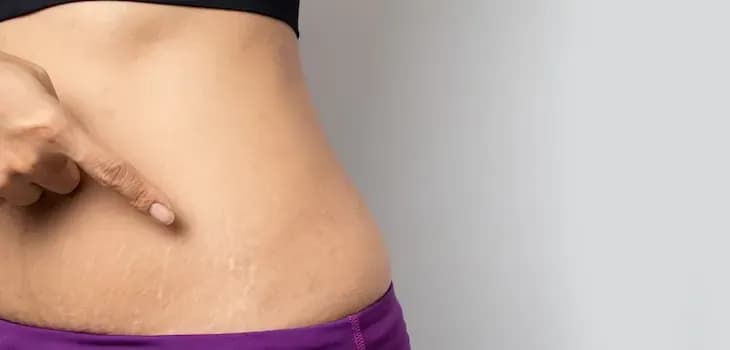
- A stretch mark (striae) is a form of dermal scarring. When skin is stretched rapidly, collagen and elastin fibres in the dermis tear, and the healing that follows leaves a band of disorganised tissue with a thinner epidermis over it. Fresh marks (striae rubrae) are red or purple because the damaged dermis lets underlying blood vessels show through — and this is the stage where treatment responds best. Older marks (striae albae) have become pale, atrophic and silvery, with reduced blood supply, and improve more slowly. Because the damage sits in the dermis rather than on the surface, creams alone rarely change established marks. Effective treatment works by stimulating controlled collagen remodelling in that deeper layer, which is why medical devices — fractional laser, microneedling with radiofrequency, and vascular laser for redness — form the core of any serious stretch mark protocol.

Why Medically Supervised Treatment Matters
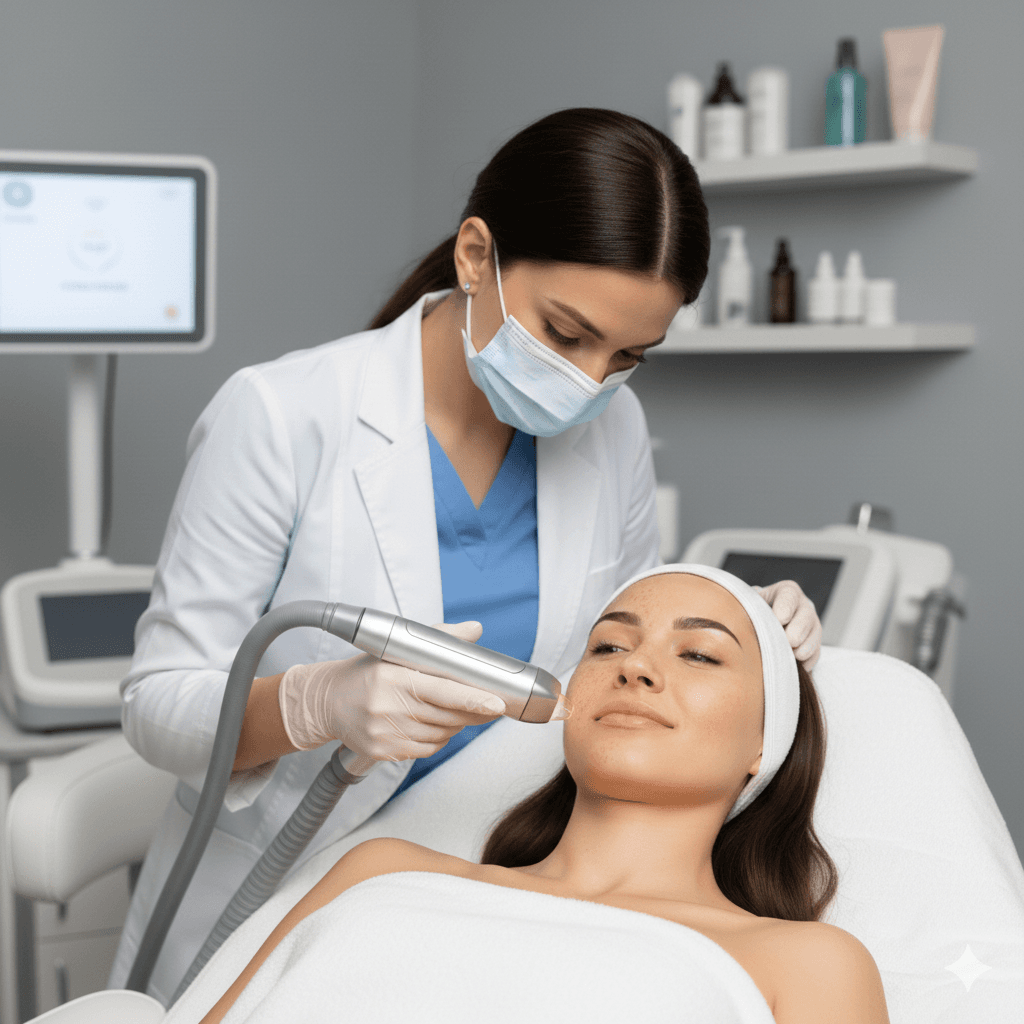
Stretch mark treatment is device- and setting-dependent, and skin of colour carries a genuine risk of post-inflammatory hyperpigmentation when energy settings are wrong. Clinic-based, medically supervised treatment protects the outcome and the skin.
Correct Diagnosis First: Red versus white stretch marks respond to completely different devices — treating them identically wastes sessions and money.
Skin-Type Appropriate Settings: Energy levels calibrated for Indian skin tones to reduce the risk of pigmentation after treatment.
Evidence-Based Device Selection: Fractional laser, microneedling RF, or vascular laser chosen for your specific mark type, location, and skin quality.
Realistic Goal Setting: A clear explanation of expected improvement in texture and colour rather than promises of complete removal.
Structured Session Planning: Sessions spaced to allow collagen remodelling between treatments, with progress reviewed photographically.
Post-Care Supervision: Sun protection, topical support, and healing guidance to protect results between sessions.
Key Details
What Causes Stretch Marks?
The common thread is rapid mechanical stretching of skin combined with hormonal influences on collagen. Pregnancy, adolescent growth spurts, rapid weight gain or loss, intensive bodybuilding, and long-term corticosteroid use are the usual triggers.
Genetics play a significant role. Two people who gain weight identically may have very different stretch mark outcomes based on inherited skin collagen quality and elasticity.
Common sites include the abdomen, hips, thighs, breasts, buttocks, and upper arms. In men, the shoulders and lower back are frequently affected after rapid muscle gain.
Red vs White Stretch Marks: Why the Difference Matters
Striae rubrae — new, red or purple marks — are still inflammatory and vascular. Treatment at this stage produces the best results because the dermis remains biologically active and responsive.
Striae albae — mature, white, slightly depressed marks — have settled into atrophic scar tissue with reduced blood flow. They still improve, but more gradually and with more sessions.
This distinction drives device choice. Vascular or pulsed-dye laser addresses redness in fresh marks; fractional laser and microneedling radiofrequency drive collagen remodelling in mature ones.
Treatment Options Available in Hyderabad
Fractional laser resurfacing creates microscopic columns of controlled injury that trigger new collagen formation, improving texture and blending mark colour with surrounding skin.
Microneedling with radiofrequency delivers energy into the dermis through fine needles, remodelling collagen with a lower pigmentation risk profile — often preferred for deeper skin tones.
Chemical peels and medical microneedling can improve surface texture and tone as adjuncts, while topical retinoids and dedicated stretch mark preparations support the process on early marks.
Where stretch marks accompany significant loose abdominal skin after pregnancy or weight loss, surgical options such as a tummy tuck may physically remove the affected skin — this is the only approach that eliminates rather than improves the marks in that zone.
How Many Sessions Will You Need?
Most patients require a course of three to six sessions, spaced four to six weeks apart, to allow collagen remodelling between treatments.
Fresh red marks often respond within fewer sessions. Long-standing white marks over large areas such as the abdomen and thighs typically need the upper end of that range, sometimes with a maintenance session later.
Progress is reviewed with standardised photographs, because gradual improvement is genuinely difficult to judge in a mirror day to day.
Expected Results and Honest Limitations
Realistically, a well-planned course delivers noticeable improvement in colour match, smoother texture, and marks that are far less obvious under normal lighting and in clothing.
What treatment does not do is return the skin to a state as though the marks never existed. Any clinic promising complete removal is overselling.
Results continue to improve for several months after the final session as collagen remodelling completes, and are best protected with consistent sun protection and stable body weight.
Stretch Mark Treatment Cost in Hyderabad
Cost depends on the treatment area size, the device used, and the number of sessions in your plan. A small area such as the breasts or upper arms costs considerably less per session than the full abdomen or both thighs.
Package pricing across a full session course is usually more economical than paying per session, and combining areas within one appointment reduces overall cost.
At Personiks, cost is discussed transparently during consultation with the expected session count stated upfront, so you know the full investment before starting.
Preparing for Treatment and Aftercare
Avoid sun exposure and tanning for two weeks before a session, discontinue retinoids as advised, and arrive with clean skin free of lotions or makeup in the treatment area.
Afterwards, expect mild redness and warmth for one to three days. Use prescribed emollients, avoid hot showers, saunas, swimming pools and gym sweat for the period advised, and apply broad-spectrum sunscreen daily.
Stretch mark treatment is best undertaken when your weight is stable — further significant weight change can create new marks alongside the treated ones.
Frequently Asked Questions
1. Can stretch marks be removed completely?
2. Which is better for stretch marks — laser or microneedling?
3. Is stretch mark treatment painful?
4. How soon after pregnancy can I start treatment?
5. Are the results permanent?
6. Is the treatment safe for Indian skin tones?
Ready to Transform Your Life?
Book your free consultation today and take the first step toward confidence.
